

 Download on iOS
This Week in Collecting: 1792 Half Disme Sets Record at $2.93 Million
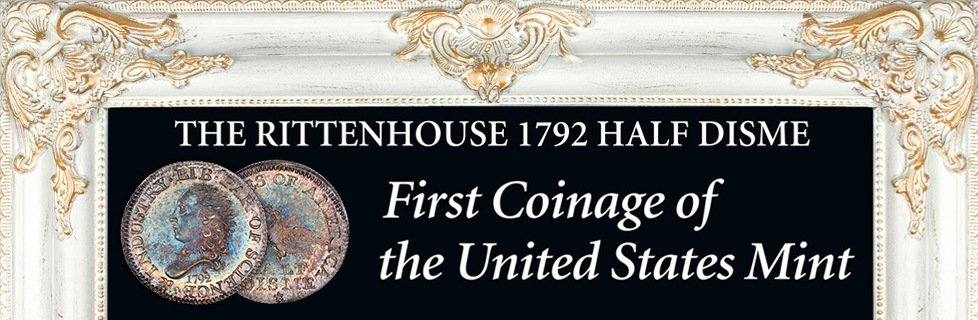
A 1792 half disme graded PCGS MS68 sold for $2,928,000 at Heritage Auctions, a record for one of America's first coins. Here's how the price compares and what it means for your coins.
The short version: A 1792 half disme graded PCGS MS68 sold for $2,928,000 at Heritage Auctions on October 8, 2026. It is a record for the coin, and Heritage says it more than doubles the previous half disme auction record of $1.41 million, set in 2013.
A five-cent coin from George Washington's first term just sold for nearly $3 million. It is the finest certified example of one of the first coins made under the 1792 Mint Act, and its price tells you a lot about where top-tier coins sit right now.
What happened
The coin is a 1792 half disme, catalogued as Judd-7, Pollock-7 and graded MS68 by PCGS. Heritage offered it as Lot 3414 in its GACC U.S. Coins Signature Auction #1397, held October 8 and 9, 2026. The Heritage lot page calls it "The Sole-Finest Certified Example" and lists 66 bids and registered phone bidders.
The final price was $2,928,000 with buyer's premium, as reported by CoinWeek and WSOC-TV. "When the finest certified example of a coin with this much historical significance comes to auction, collectors take notice," Heritage executive vice president Todd Imhof said, according to WSOC-TV.
It wasn't a one-coin week. CoinWeek reports that Heritage's coin and currency auctions that week topped $19 million. A second 1792 half disme, this one graded PCGS VG10, brought $85,400 in the same sale.
Why this coin matters
Congress passed the Mint Act on April 2, 1792, and it set the half disme at one-twentieth of a dollar. According to CoinWeek's research, Thomas Jefferson's records show 1,500 half dismes delivered in July 1792. Washington later called them a "small beginning" in his November 6, 1792 address to Congress.
The exact count is still debated. Die-state research suggests a second small striking may have pushed the total to about 1,700 to 2,000 coins, but PCGS still lists 1,500.
You may have heard that Martha Washington's silverware went into these coins, or that she posed as Liberty. CoinWeek treats both stories as legends with no reliable evidence from the time. The real history is strong enough without them.
How the price compares
This exact coin has sold before, which makes the jump easy to see. CoinWeek lists these earlier sales:
- January 2013: $1,145,625 at Stack's Bowers
- May 2018: $1,985,000 in a private sale through Classic Coin Company, already in a PCGS MS68 holder
- October 2026: $2,928,000 at Heritage
That is about 2.6 times the 2013 price. There is one wrinkle. The coin has long been billed as the "Rittenhouse Specimen," tied to David Rittenhouse, the first director of the U.S. Mint. CoinWeek reports that Heritage dropped one link in that ownership chain after finding that a 1921 auction photo didn't match this coin. Heritage says no proof confirms the Rittenhouse connection, though it doesn't rule it out. Bidders paid a record price anyway.
For scale, the 1933 Double Eagle set the world record for a coin when it brought $18.9 million at Sotheby's in New York on June 8, 2021, according to Smithsonian Magazine.
The bigger trend
Coins are part of a busy collectibles market. Heritage reported more than $1.41 billion in sales in the first half of 2026, up 47 percent from the same period in 2025, according to USA Art News. In that stretch it also sold a 1911 Chinese pattern dollar for $4.88 million, which the house called the most valuable world coin it has ever sold.
Grading demand is climbing too. PCGS president Stephanie Sabin said the company is seeing a "double-digit increase in collector submissions in 2026," as reported by Value Added Resource. In August, eBay added collectible coins to its Authenticity Guarantee program with PCGS. Coins priced at $500 or more, including graded U.S. and world coins and raw U.S. coins, now go to PCGS for a check before they reach the buyer, at no extra cost to either side. Bullion is not included.
What it means for collectors and resellers
You probably won't find a 1792 half disme in a coffee can. But the things that drove this price apply to the coins you do find.
- Grade drives the price. Same year, same design: the MS68 brought $2,928,000 and the VG10 brought $85,400. Condition is often the biggest single factor in what a coin is worth.
- Price with sold results, not asking prices. Look up completed sales for the same date, mint mark and grade in auction archives and marketplace sold listings. Unsold listings show what sellers hope for, not what buyers pay.
- Keep the paper trail. Documented ownership history adds confidence. A questioned pedigree can raise doubts. Save receipts, old holders and auction tags with your coins.
- Know the selling rules. If you list a coin at $500 or more on eBay in the U.S., it now goes through PCGS authentication before delivery.
Not sure what you have? Moe can identify an item from a photo, show its current market value and cross-list it to several marketplaces when you're ready to sell. Our guide to where to sell collectibles online compares the main options.
What to watch next
- More top-grade early American coins. Owners of rare early coins now have a fresh benchmark. Watch whether more of them come to auction.
- Lower-grade examples. Watch whether mid-grade 1792 half dismes and other early American coins see stronger prices after this result.
- The Rittenhouse question. Researchers are still digging into this coin's history. New evidence either way could matter for its next sale.
- Authentication on marketplaces. eBay's coin program is only a few months old. Watch how it shapes buyer confidence for coins over $500.
Frequently asked questions
How much did the 1792 half disme sell for?
The PCGS MS68 example sold for $2,928,000, including buyer's premium, at Heritage Auctions' GACC U.S. Coins Signature Auction on October 8, 2026. It drew 66 bids and registered phone bidders.
What is a 1792 half disme?
It is a five-cent coin, set at one-twentieth of a dollar by the Mint Act of April 2, 1792. Thomas Jefferson's records show 1,500 were delivered in July 1792, making it one of the first coins made under the new law.
Is the 1792 half disme the most expensive coin ever sold?
No. The 1933 Double Eagle sold for $18.9 million at Sotheby's in 2021, a world record for a coin at the time. The $2,928,000 sale is a record for a 1792 half disme.
How many 1792 half dismes were made?
PCGS lists a mintage of 1,500, based on Jefferson's records. Die-state research cited by CoinWeek suggests a second small striking, which could put the total at about 1,700 to 2,000.
How do I find out what an old coin is worth?
Identify the date, mint mark and condition, then compare sold prices for the same coin in the same grade. For valuable coins, professional grading and authentication from a service like PCGS or NGC can confirm what you have before you sell.
Scan it with Moe to get a current value, then list it on multiple marketplaces at once.
Get Moe