
 Download on iOS
Are My '80s and '90s Toys Worth Anything? How to Check
Old Transformers, He-Man, Turtles and Polly Pocket can still sell well. Learn how to identify your toys, what drives value and how to check real sold prices.
Quick answer: Some of them are. Toys from the '80s and '90s are worth the most when they are complete, in clean condition, and still have their box or packaging. Popular lines like Transformers, Masters of the Universe, Teenage Mutant Ninja Turtles and early Polly Pocket have steady collector demand. To find out what yours are worth, look up recent sold prices for the exact toy and condition, not asking prices.
Maybe you just cleaned out your parents' attic. Maybe you found a bin of action figures at a garage sale. Either way, you are looking at a pile of plastic and wondering if any of it matters. The good news is that you can figure this out yourself in an afternoon. This guide walks you through how to identify old toys, what makes some valuable, how to check real prices, and where to sell.
Which '80s and '90s toys do collectors look for?
The toys that hold value tend to come from lines that were huge at the time and still have fans today. Kids who grew up with them now have money and nostalgia, and that is what drives the market. A few of the big names:
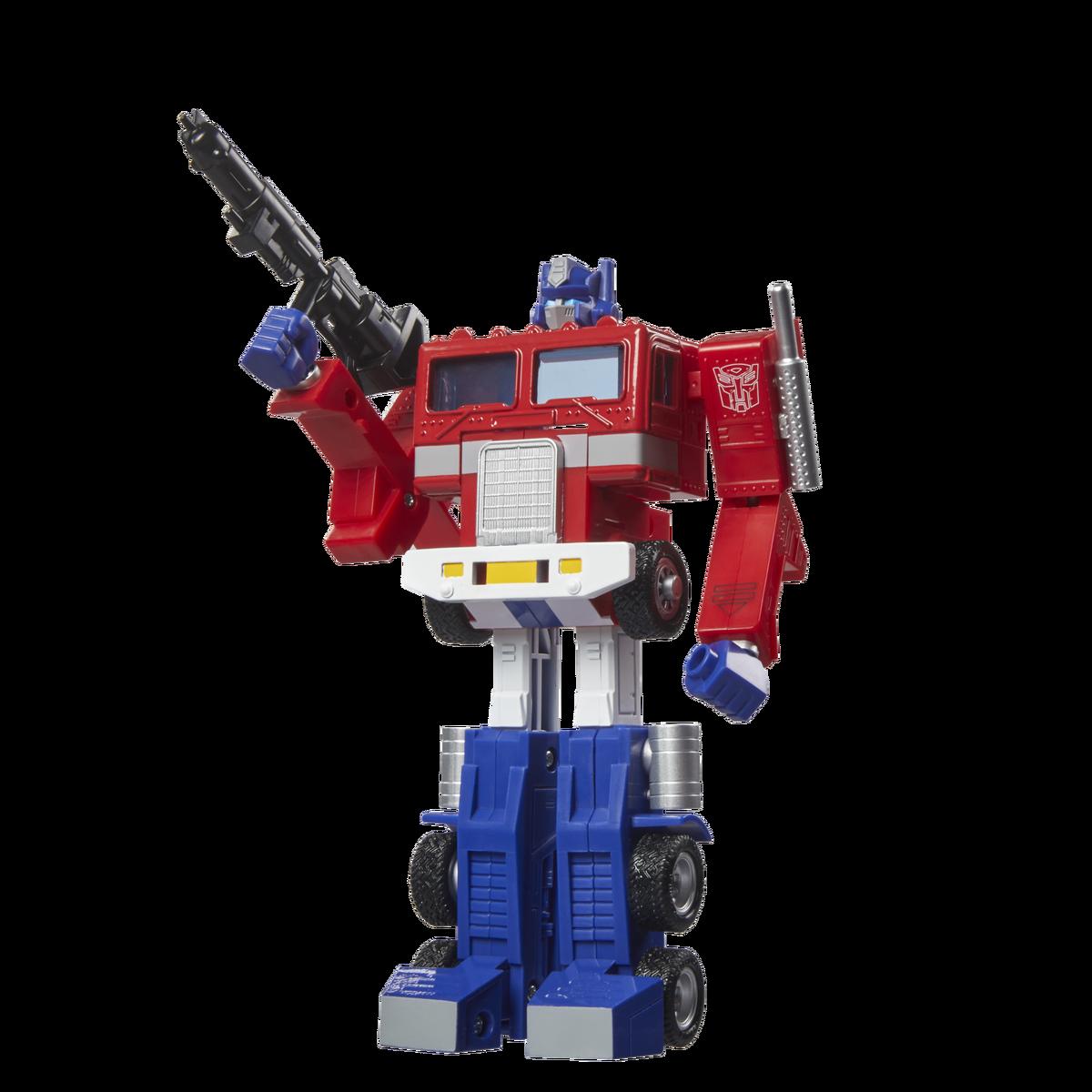
- Transformers. Hasbro launched the line in the US in 1984, using robot designs from Takara's Diaclone and Micro Change toys. The original figures are known as Generation 1, or G1.
- Masters of the Universe. Mattel introduced He-Man and friends in 1982. The original figures are chunky, about 5.5 inches tall, with a twisting waist.
- Teenage Mutant Ninja Turtles. Playmates Toys released its first series of Turtles figures in the summer of 1988, and the line grew fast from there.
- Polly Pocket. The tiny compacts made by Bluebird Toys in England first hit stores in 1989. Mattel bought the brand in 1998 and redesigned the doll to be larger, so the small early compacts are the ones collectors chase.
- Star Wars. Vintage Kenner figures and vehicles are their own world. If you have some, read our guide on whether old Star Wars stuff is worth anything.
- Late-'90s fads. Furby launched in October 1998, and toys like it sold in huge numbers. Common fad toys usually sell for modest amounts, but boxed examples and less common versions can do better.
Other lines with real followings include G.I. Joe, ThunderCats, My Little Pony, Care Bears, and early Pokémon toys. Being on this list does not make a toy valuable by itself. Condition and completeness matter more than the name.
How to identify an old toy
Before you can price anything, you need to know exactly what it is. Start with the markings. Most vintage figures have a stamp on the back, the feet or the inside of a leg. It usually shows the company name, a year and a country. A Masters of the Universe He-Man in the Victoria and Albert Museum's collection, for example, is marked "© MATTEL INC 1981 TAIWAN."
Here is the catch: that year is a copyright date, not the year the toy was made. Companies often reused the same date for years, and some figures share body parts with older ones, so they carry an older date. Use the stamp to confirm the brand and era, then use the details to pin down the exact version.
- Look at the details. Paint colors, accessories, and small mold changes can separate a common figure from a rarer variation.
- Check for reissues. Toy companies now sell retro reissues of many '80s favorites. Hasbro, for example, sells a Retro G1 Optimus Prime that it calls an authentic reissue of the original. Reissues are fun, but they are not the vintage originals, so check markings and packaging dates carefully.
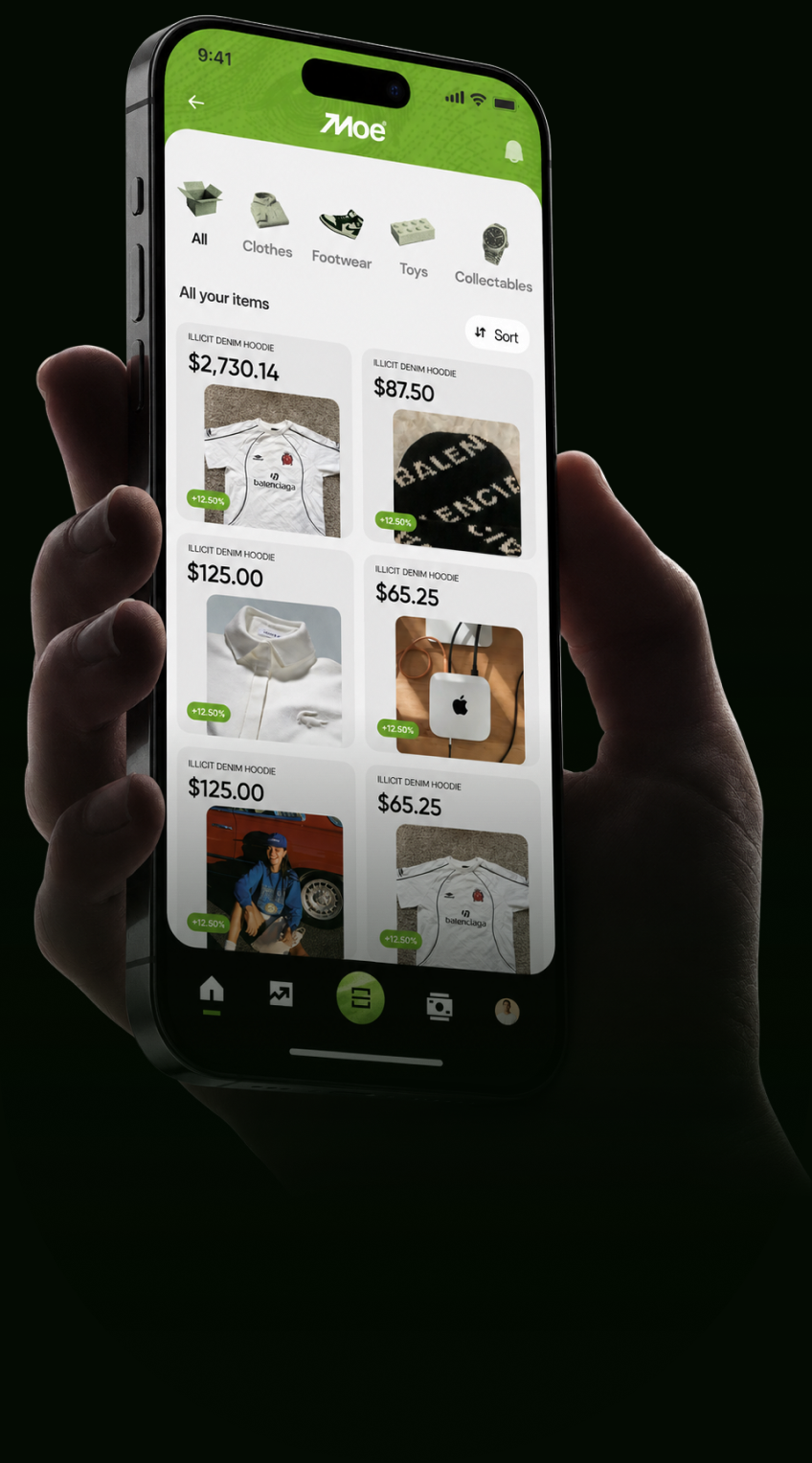
- Scan it. If you are stuck, an app like Moe can identify the toy from a photo and show you what it is selling for right now.
What makes a vintage toy valuable?
Two toys that look the same can sell for very different prices. These are the factors that make the biggest difference.
Completeness
Action figures came with swords, guns, shields, capes and tiny pieces that got lost in the couch. A figure with every original accessory is worth noticeably more than the same figure loose and missing parts. Polly Pocket compacts work the same way. A compact with all of its tiny dolls is far more desirable than an empty one.
Condition
Look for paint wear, yellowed plastic, loose joints, broken tabs and sun fading. On Transformers, check that parts are not cracked or stress-whitened. On electronic toys, test whether they still work. Even a working Furby sells better than a dead one.
Packaging
The box can be worth as much as the toy. A figure still sealed on its original card, or a Transformer in a clean box with its inserts and paperwork, sits in a different price range from a loose example. Toys that are factory sealed and in strong condition are sometimes sent to grading companies such as the Action Figure Authority (AFA) or Collector Archive Services (CAS), which seal them in clear cases with a grade. Grading costs money and most loose toys do not gain much from it, so it mostly makes sense for high-end sealed pieces.
Variations and demand
Short-run versions, mail-away exclusives, and figures with production changes can be worth more than the standard release. Demand also moves with pop culture. A new movie or show can push interest in a line up for a while.
How to check what your toys are worth
The most common mistake is looking up a toy, seeing a high price, and assuming that is what it is worth. Anyone can list something for any price. What matters is what buyers actually paid.
- Search sold listings. On eBay, search for the toy and turn on the Sold Items filter. This shows completed sales, which is the closest thing to real market value.
- Match your condition. Compare loose to loose, complete to complete, and boxed to boxed. A sealed sale tells you nothing about your loose figure with no accessories.
- Look at several sales. One sale can be a fluke. Look for a range across recent sales and aim for the middle.
- Use a price guide for context. Collector sites and checklists help you learn which versions exist and what accessories came with each toy.
For more on valuing figures, including modern ones, see our guide on how much your action figures are worth.
Where to sell old toys
Where you sell depends on what you have and how much effort you want to put in.
- eBay has the biggest audience of collectors searching for specific figures and variations. It is a strong choice for single items with clear value.
- Mercari is simple to list on and works well for mid-priced toys and small lots.
- Whatnot runs live auctions, and toys are one of its active categories. It can be a good fit if you have a lot to sell and like the live format.
- Facebook Marketplace and local groups work for big bins, playsets and bulky items you would rather not ship.
- Auction houses are worth a call if you have sealed, high-grade or very rare pieces.
You do not have to pick just one. Listing on several marketplaces gets your toys in front of more buyers. Tools like Moe let you cross-list to multiple marketplaces and handle buyer messages in one place, so you are not juggling apps.
Tips before you sell
- Sort before you price. Pull out anything boxed, sealed or unusual first. Those deserve individual listings.
- Clean gently. Dust and light grime can come off with mild soap and water. Skip harsh chemicals, and keep water away from electronics, stickers and paper.
- Do not throw away packaging. Even a beat-up box, instructions or tech specs can add value.
- Group the common stuff. Loose, incomplete figures often sell better as a themed lot than one at a time.
- Take clear photos. Shoot every side, the markings, the accessories and any damage. Honest photos mean fewer returns.
- Be patient. Collectors search for specific pieces. A fair price may take a few weeks to find its buyer.
Frequently asked questions
Are my old toys worth anything?
They might be. Toys from popular '80s and '90s lines can sell well, especially when they are complete, in good condition, and still in the original packaging. Common loose toys with missing parts usually sell for small amounts. Check recent sold listings for the exact toy to know for sure.
What 80s toys are worth the most money?
The highest prices usually go to sealed, high-condition examples from lines with big fan bases, such as Star Wars, Transformers, G.I. Joe and Masters of the Universe. Rare variations and mail-away exclusives can also bring strong prices. The same toy loose and incomplete is usually worth much less.
How do I find out what my old toys are worth?
Identify the exact toy using its markings and details, then search sold listings on eBay for the same toy in similar condition. Look at several recent sales and use the middle of the range. You can also scan the toy with an app that shows current market value.
Is it worth getting old toys graded?
Usually only for sealed, high-condition or rare pieces. Grading costs money, and most loose toys do not gain enough value to cover it. If a toy is still factory sealed and in great shape, grading by a company like AFA or CAS may help it sell for more.
How can I tell if a toy is vintage or a reissue?
Check the markings, packaging and small details. Reissues often have newer dates or different text on the box, slight mold or paint differences, and modern barcodes or safety labels. Compare your toy with photos of confirmed originals before you price it.
Where is the best place to sell old toys?
eBay reaches the most collectors for individual toys. Mercari and Whatnot are good options too, and Facebook Marketplace works for bulky lots you want to sell locally. Listing on more than one marketplace can help you sell faster.
Scan it with Moe to get a current value, then list it on multiple marketplaces at once.
Get Moe